CATALOGUE: https://dagmarrauwald.de/PNCA.pdf


INTENSION vs CONVENTION Fluid Presence
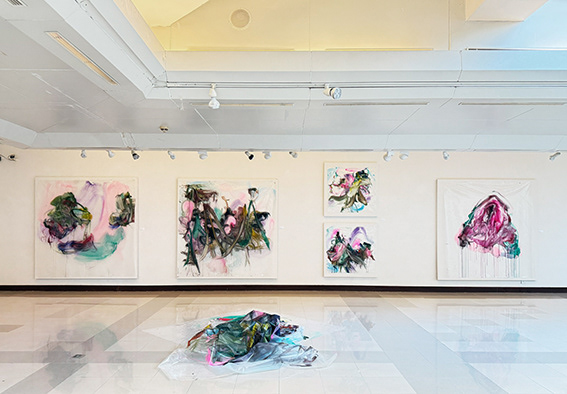
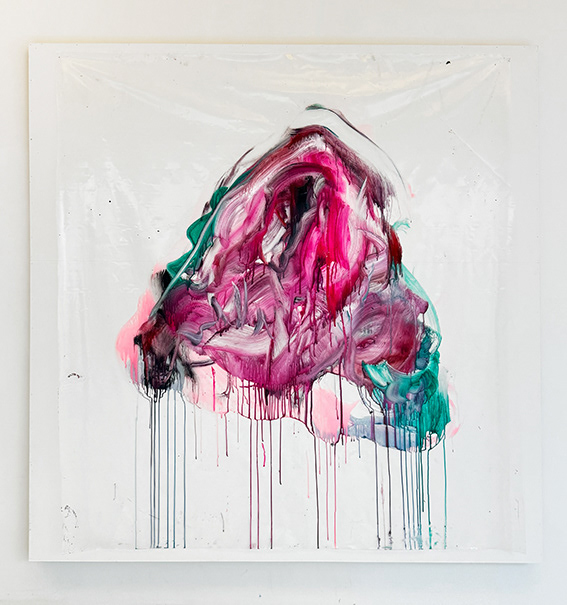
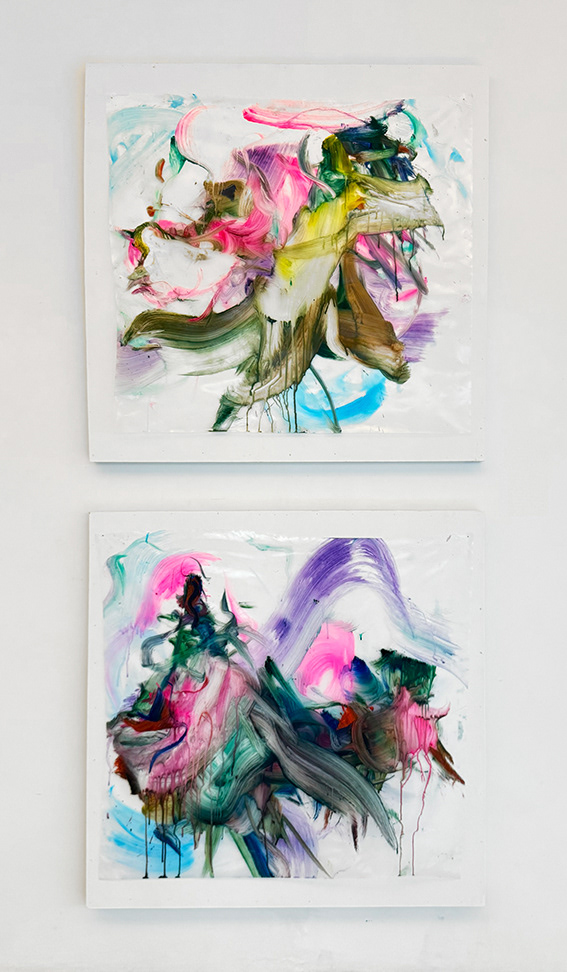
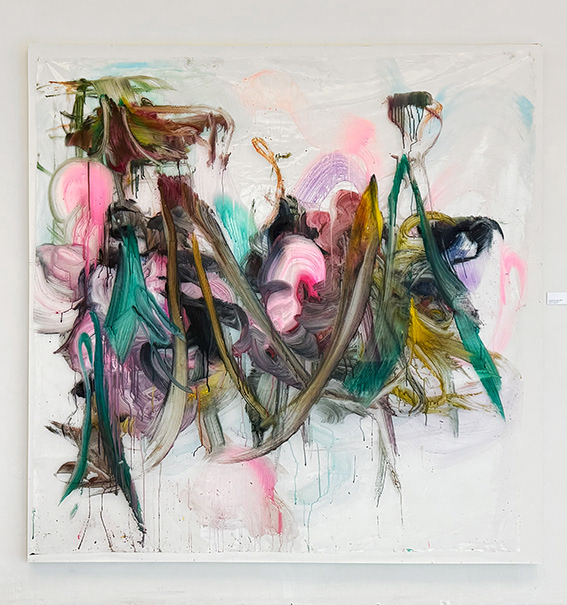
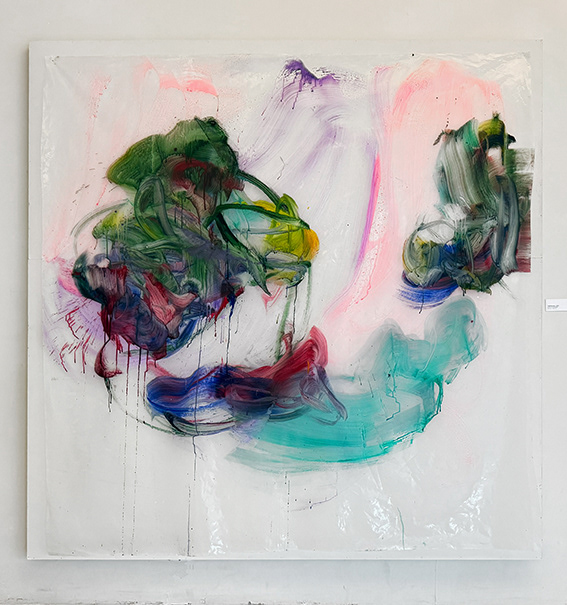
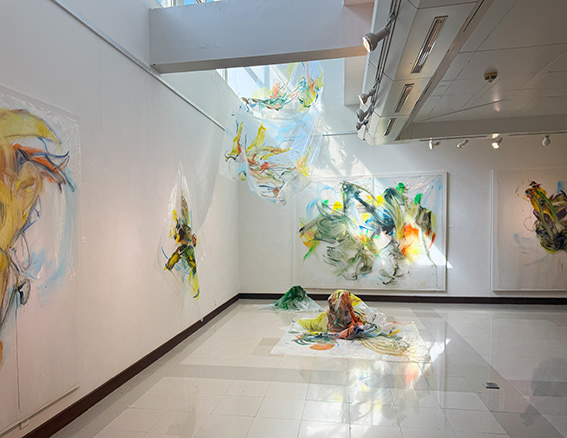
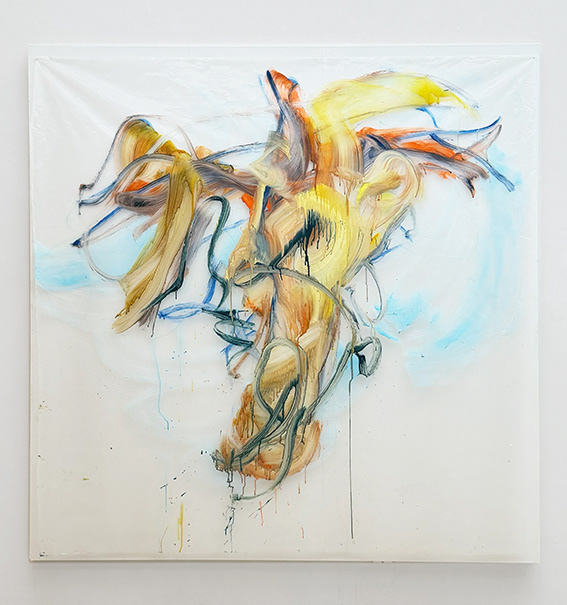
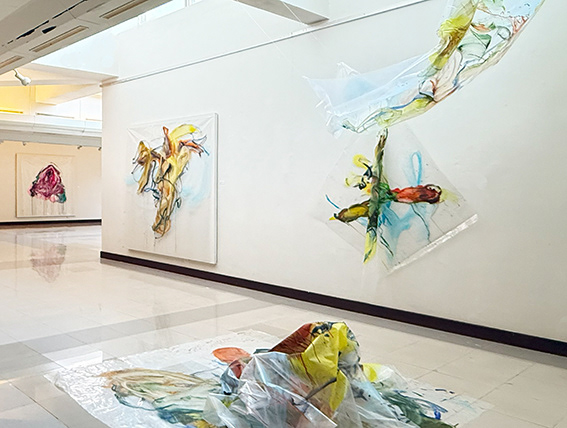
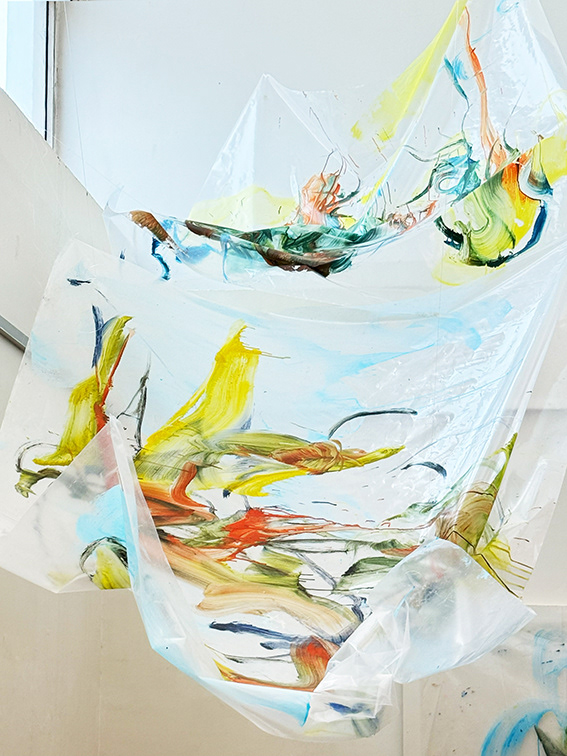
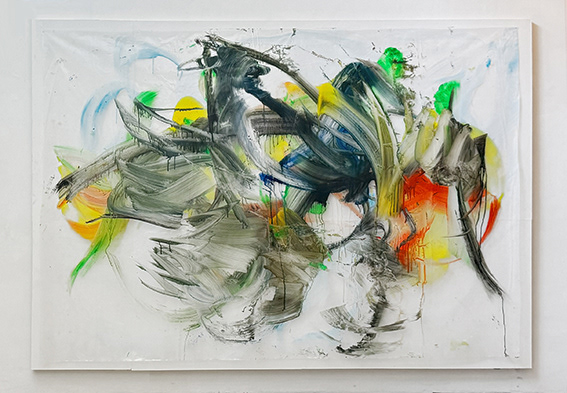
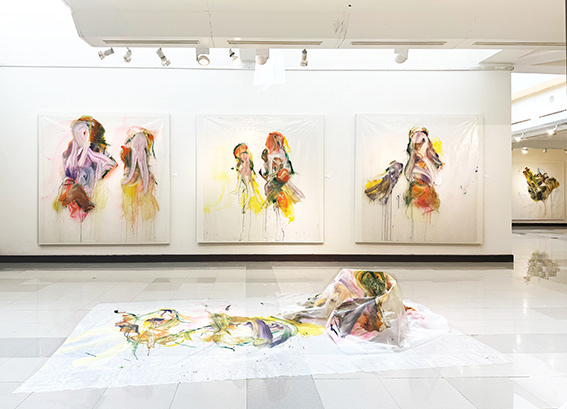
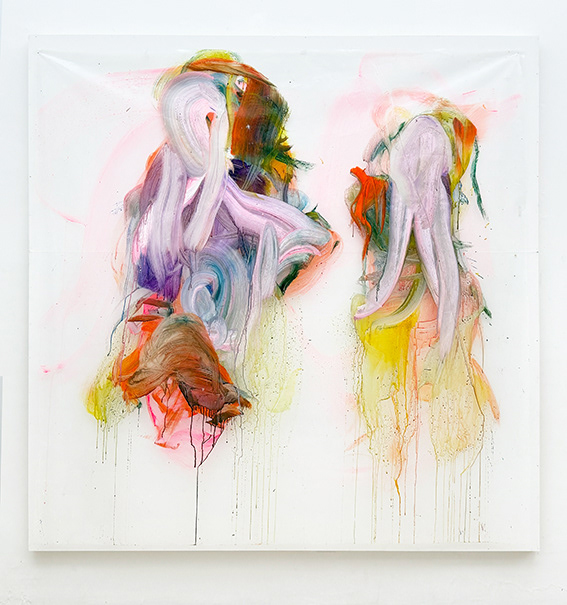
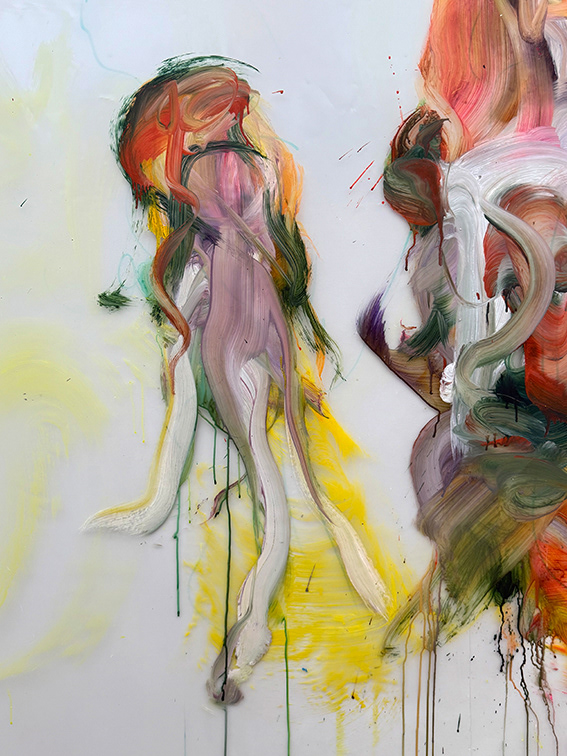
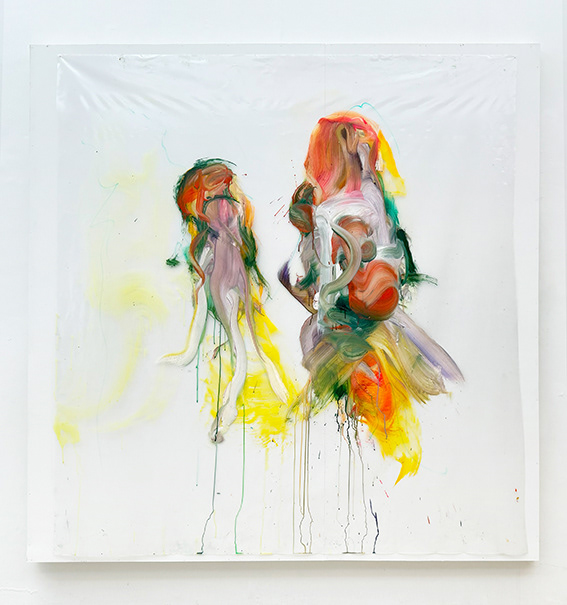
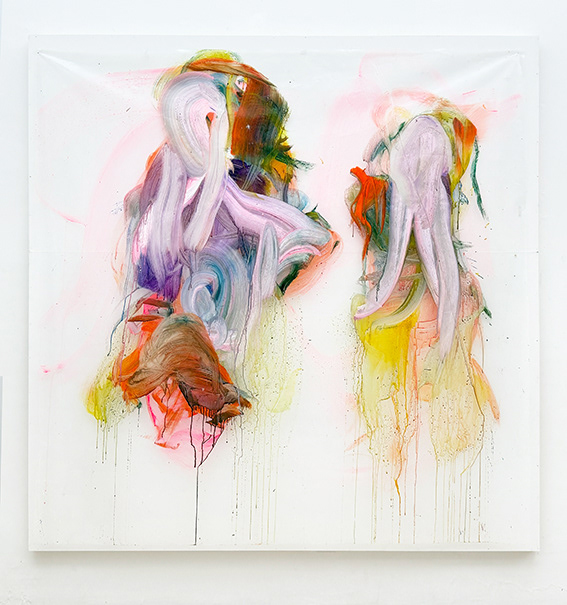
The paintings in the exhibition are created on transparent surfaces. Dagmar Rauwald views the transparent medium as a hybrid interface, a kind of platform where she reflects real-world events through painterly gestures. These works become visual reports within the context of evolving codes in the digital age. Her interest in color codes arises from observations of our hybrid world, where the use of colors has long since become a widespread verbal communication strategy. Patterns conhas long since become a widespread verbal communication strategy. Patterns condense in series of images into dynamic compositions, through which she finds a personal approach to unfamiliar and complex interconnections. personal approach to unfamiliar and complex interconnections. Her painterly expression intertwines intention and conventional perspectives, drawHer painterly expression intertwines intention and conventional perspectives, drawing on the theory of philosopher John Searle. Like art, language derives its meaning from the speaker’s intentions within a societal framework. This interplay is compafrom the speaker’s intentions within a societal framework. This interplay is comparable to Rauwald’s abstract-associative art, in which visual elements encourage interpretation. interpretation. Rauwald’s works emphasize intuitive processes and the authenticity of the present moment. They foreground personal intentions while simultaneously reflecting on conventions and norms. Her dynamic visual language evokes the fluidity and rhythconventions and norms. Her dynamic visual language evokes the fluidity and rhythmic structure of Urdu calligraphy, which merges script and art in its aesthetics and meaning. Similarly, Rauwald’s paintings create a multilayered hermeneutic depth, where form and content share a symbiotic relationship. where form and content share a symbiotic relationship. The interplay between artistic intention and individual reception generates a tension that situationally and contextually enables a form of “concrete understanding.” In this way, the artist’s intuitive intentions and the viewer’s subjective interpretations merge into an open dialogue, offering new perspectives on the perception of “descriptions.” merge into an open dialogue, offering new perspectives on the perception of “descriptions.” This dialogue reflects a cultural exchange: Western-influenced painting meets the visual power of calligraphy. The connection establishes a new level where Western and Eastern traditions converge. Thus, the painterly expression blends cultural narand Eastern traditions converge. Thus, the painterly expression blends cultural narratives, hinting at a transcultural understanding. ratives, hinting at a transcultural understanding. The focus on a quasi-language and the movement toward verbalization also mirThe focus on a quasi-language and the movement toward verbalization also mirrors a current international trend: In times of unrest and looming dangers, there is a heightened search for certainties. Ultimately, the artist finds her certainty in the autonomy of the artistic gesture.
The paintings in the exhibition are created on transparent surfaces. Dagmar Rauwald views the transparent medium as a hybrid interface, a kind of platform where she reflects real-world events through painterly gestures. These works become visual reports within the context of evolving codes in the digital age. Her interest in color codes arises from observations of our hybrid world, where the use of colors has long since become a widespread verbal communication strategy. Patterns conhas long since become a widespread verbal communication strategy. Patterns condense in series of images into dynamic compositions, through which she finds a personal approach to unfamiliar and complex interconnections. personal approach to unfamiliar and complex interconnections. Her painterly expression intertwines intention and conventional perspectives, drawHer painterly expression intertwines intention and conventional perspectives, drawing on the theory of philosopher John Searle. Like art, language derives its meaning from the speaker’s intentions within a societal framework. This interplay is compafrom the speaker’s intentions within a societal framework. This interplay is comparable to Rauwald’s abstract-associative art, in which visual elements encourage interpretation. interpretation. Rauwald’s works emphasize intuitive processes and the authenticity of the present moment. They foreground personal intentions while simultaneously reflecting on conventions and norms. Her dynamic visual language evokes the fluidity and rhythconventions and norms. Her dynamic visual language evokes the fluidity and rhythmic structure of Urdu calligraphy, which merges script and art in its aesthetics and meaning. Similarly, Rauwald’s paintings create a multilayered hermeneutic depth, where form and content share a symbiotic relationship. where form and content share a symbiotic relationship. The interplay between artistic intention and individual reception generates a tension that situationally and contextually enables a form of “concrete understanding.” In this way, the artist’s intuitive intentions and the viewer’s subjective interpretations merge into an open dialogue, offering new perspectives on the perception of “descriptions.” merge into an open dialogue, offering new perspectives on the perception of “descriptions.” This dialogue reflects a cultural exchange: Western-influenced painting meets the visual power of calligraphy. The connection establishes a new level where Western and Eastern traditions converge. Thus, the painterly expression blends cultural narand Eastern traditions converge. Thus, the painterly expression blends cultural narratives, hinting at a transcultural understanding. ratives, hinting at a transcultural understanding. The focus on a quasi-language and the movement toward verbalization also mirThe focus on a quasi-language and the movement toward verbalization also mirrors a current international trend: In times of unrest and looming dangers, there is a heightened search for certainties. Ultimately, the artist finds her certainty in the autonomy of the artistic gesture.